City of Casey
A participatory design project created to strengthen communication between residents, council teams, and developers.
UI/UX · Co-Design

Project Overview
Client: City of Casey – Local Government Authority
Industry: Smart City, Urban Planning, Community Engagement
Timeline: 8 weeks
Team Role: UX Research & Product Design (Group Project)
The City of Casey aimed to increase resident awareness of smart-city facilities and upcoming developments. Strengthening community–council relationships required a structured approach for meaningful collaboration among residents, council members, and housing/commercial developers.
To support this, the City of Casey required a co-design toolkit that would enable transparent dialogue, collective decision-making, and a shared understanding of urban green-space planning.
This project focused on one core challenge:
Research Question
How can effective green spaces be planned for residents living in dense urban areas?
Main Goal
To design a co-design toolkit that helps stakeholders communicate clearly, contribute ideas, and collaborate on the future of green spaces within the city.
Codesign Toolkit Workshops
Two workshops were conducted with residents, council representatives, and housing developers to identify communication barriers, uncover priorities, and validate design opportunities.
Workshop 1 — Understanding Green Space Needs
Participants:
14 total
7 citizens
3 council members
4 housing developers
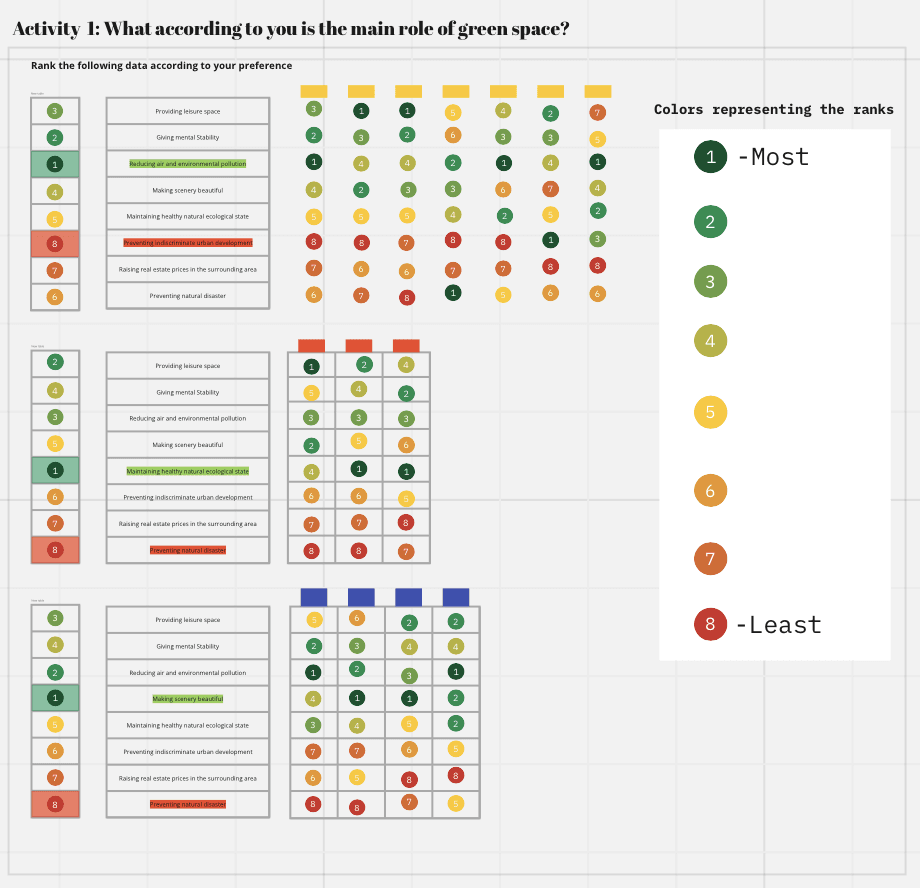
Activity 1: What is the Main Role of Green Space?
The three groups revealed different priorities:
Citizens: reducing air pollution & improving environmental quality
Council Members: preserving natural ecological balance
Housing Developers: enhancing visual appeal and aesthetics
Insight: Green space means different things to different people; a shared definition was missing. This gap is directly tied to communication challenges between stakeholders.
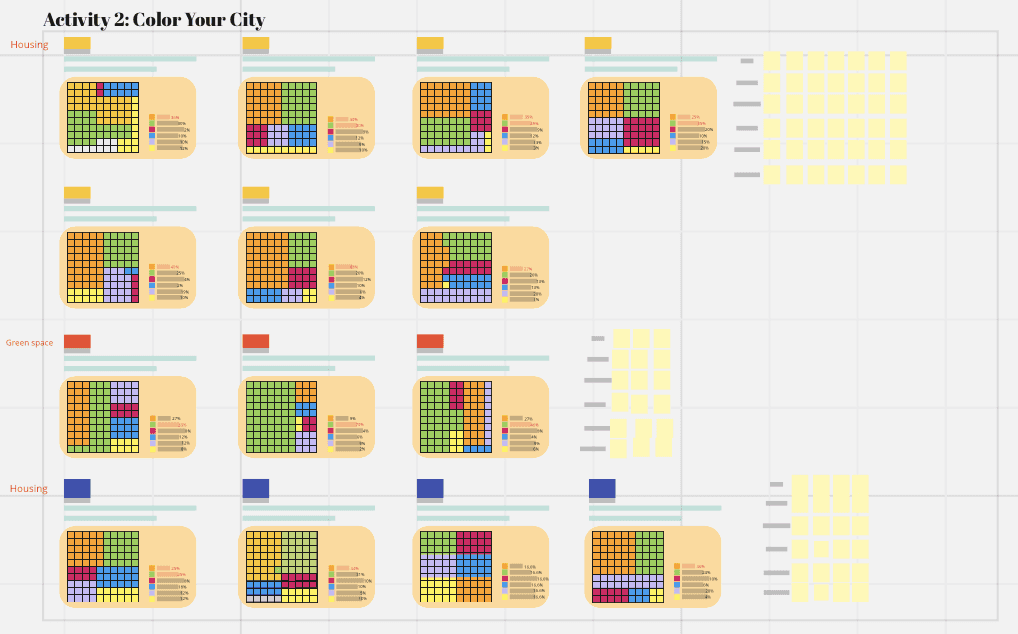
Activity 2: Color Your City
Participants mapped an “ideal city” by colouring elements according to their importance.
Key insight:
Green spaces were consistently prioritised as essential for livability, especially in dense precincts. There is a need for non-traditional, vertical, or integrated green solutions when ground-level space is limited.
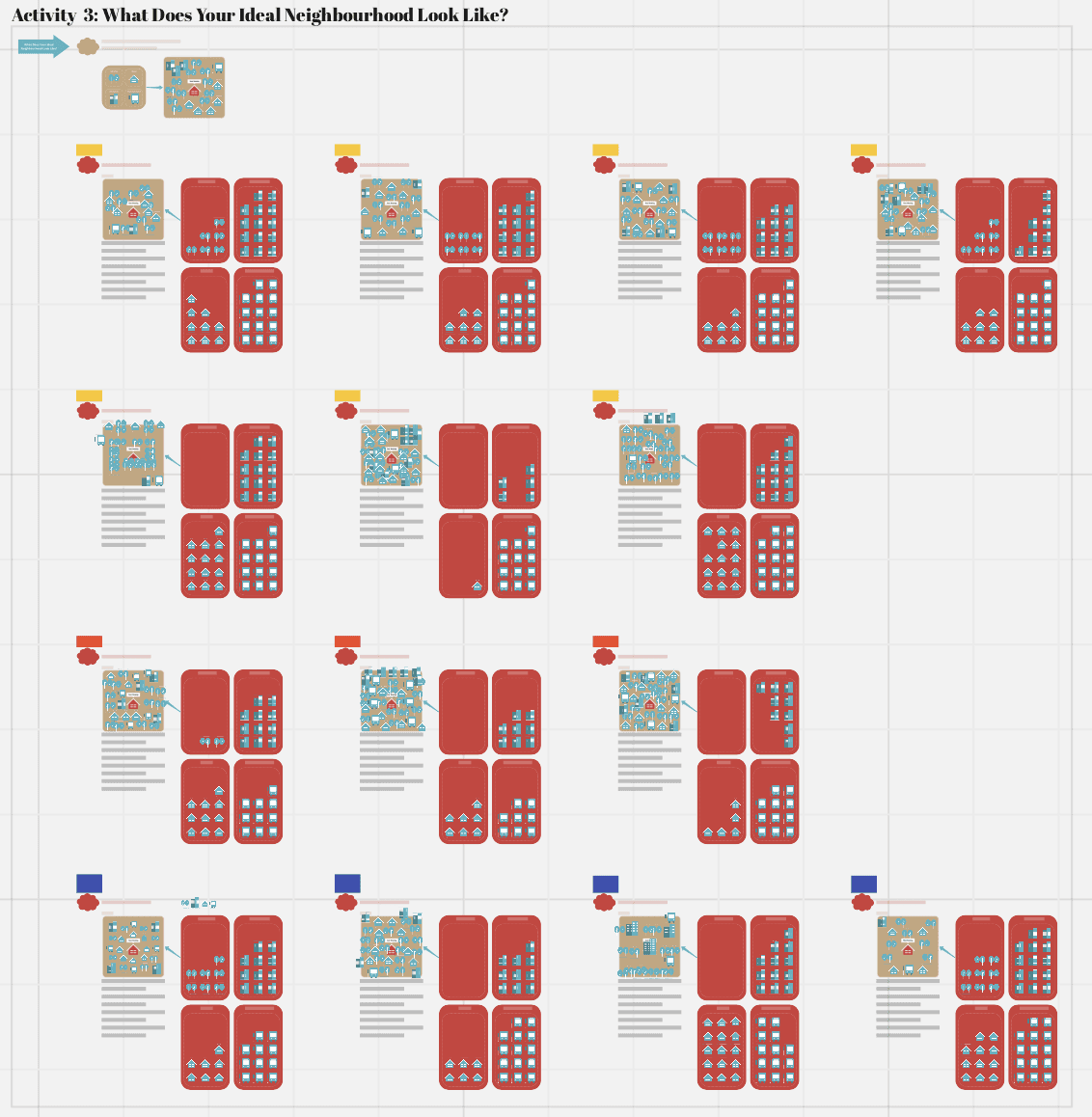
Activity 3: Your Ideal Neighbourhood
Participants placed icons to build their ideal neighbourhood layout.
Challenge found:
Instructions lacked clarity, and many participants placed icons outside the template, making density analysis difficult.
Insight:
The toolkit needed clearer instructions and constraints to produce clean, analysable data.
Workshop 2 — Understanding Communication Gaps
Participants: 11 total from mixed stakeholder groups.
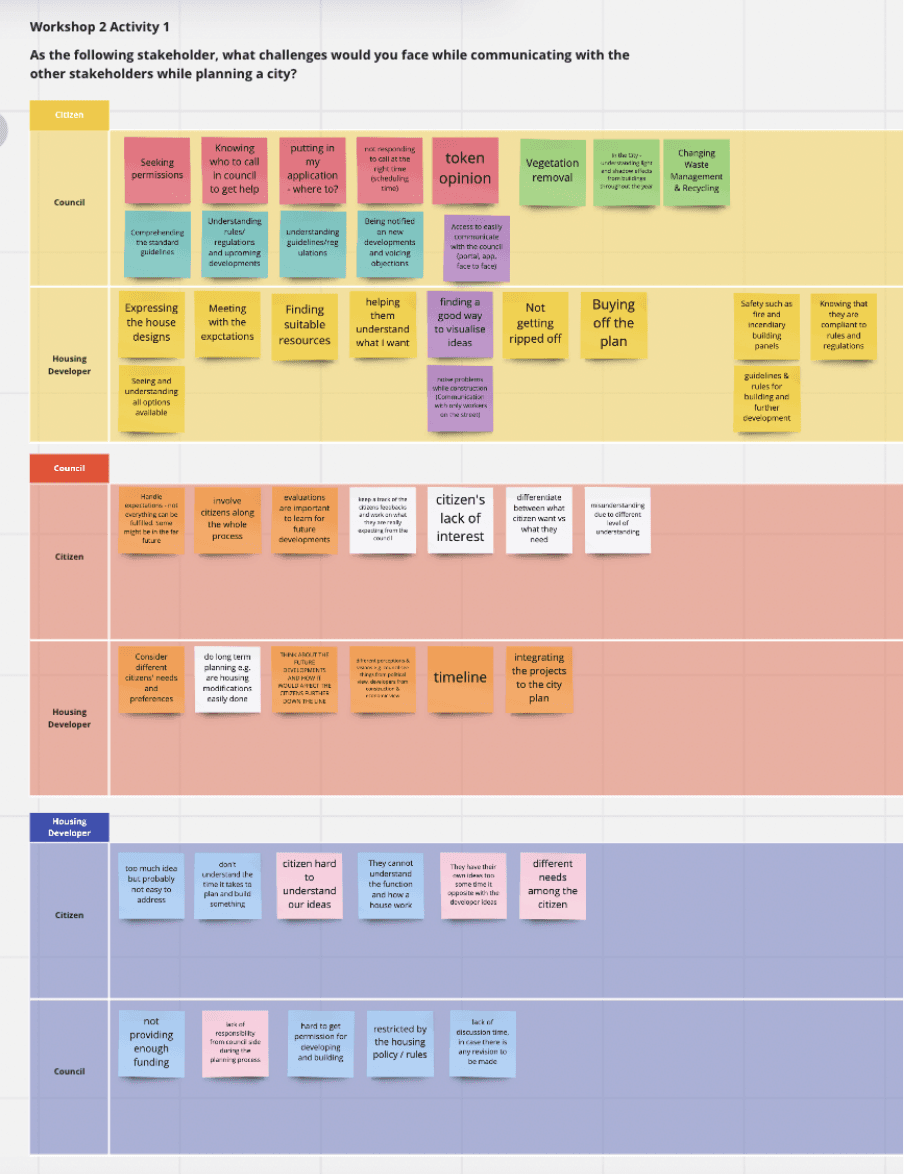
Activity 1: What Communication Challenges Do Stakeholders Face?
Across groups, the most common theme was a lack of a shared communication channel.
Participants 3, 4, 5, and 11 strongly supported the idea of a single digital hub (app/portal)
They believed it would reduce misunderstandings, streamline feedback, and help residents feel more involved in city planning
Insight:
Stakeholders want communication that is centralised, transparent, and accessible.
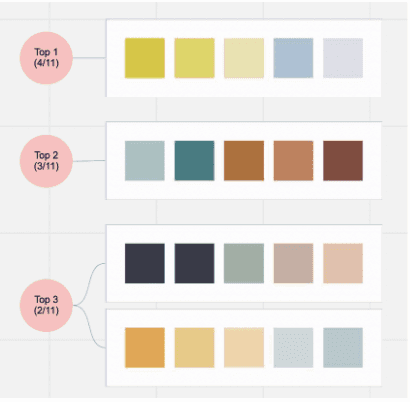
Activity 2: Choose a Colour Palette for the App
Participants selected from multiple palette options.
Outcome:
Three colour palettes emerged as the top favourites, which informed the visual direction of the final toolkit and app.
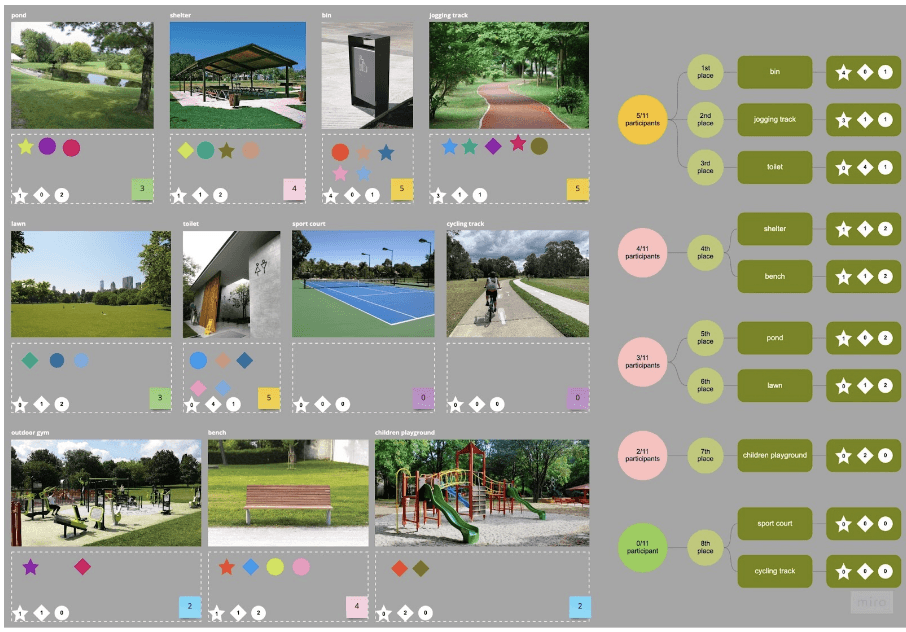
Activity 3: Which Facilities Should Be Improved?
Participants voted on which facilities need attention.
Top priorities (5 votes each):
Bins
Jogging track
Public toilets
Secondary priorities (4 votes each):
Shelter
Benches
Not prioritised:
Sports courts and cycling tracks suggest either low usage or general satisfaction.
Final Design Outcome — “Talk to Casey” App
Based on workshop insights, the proposed solution was Talk to Casey, a digital communication platform designed to unify residents, council teams, and developers in one shared environment.
Key Features
1. Stakeholder-Identified Channels
Users begin by selecting their stakeholder group and choosing topic channels such as:
Climate Change
Safety
Human Needs
Animal Welfare
Environment
Other emerging community issues
This helps organise discussions and keep feedback relevant.
2. Issue-Based Chat Rooms
Each topic contains multiple sub-issues that users can join to:
Share perspectives
View cross-stakeholder discussion
Understand concerns from different groups
This directly addresses the communication gaps identified in Workshop 2.
3. Ongoing Polls for Community Decisions
Ongoing polls allow users to vote on planning decisions.
The app displays:
Poll status
Final results
Comments and opinions from all stakeholder groups
This creates a transparent and democratic decision-making environment.
Why This Solution Works
Supports the council’s goal of increasing smart-city awareness
Enables meaningful dialogue between all stakeholder groups
Reduces miscommunication during planning stages
Gives residents an accessible channel for participation
Offers developers clarity on community expectations
Translates workshop findings into a scalable digital solution
Conclusion
The project established a clear framework for collaborative decision-making within the City of Casey. Through co-design workshops and multi-stakeholder involvement, the team developed Talk to Casey, a communication-driven app and toolkit that enhances transparency, encourages active citizen participation, and supports the planning of effective green spaces in dense urban environments.


